Écoutez gratuitement ce podcast dans l'application : Télécharger gratuitement dans l'App Store
radio.fr
Minuteur
Sauvegarde des favoris
37 épisodes
WFP035 – FPGA Talk #2 Design Approaches
31/03/2026 | 49 min.avia-section.av-1apwy4-f0a9c875d3b2ecccb308559719541ff4 .av-extra-border-element .av-extra-border-inner{
background-color:#39342d;
}
.flex_column.av-xm6p0-62c5e21bb4b433b2eebb2ac41c4e9edd{
border-radius:10px 10px 10px 10px;
padding:10px 10px 10px 10px;
}
#top .av-special-heading.av-lbda955k-6396b2ee9d9c24f957e8b7636dd41ea2{
padding-bottom:10px;
}
body .av-special-heading.av-lbda955k-6396b2ee9d9c24f957e8b7636dd41ea2 .av-special-heading-tag .heading-char{
font-size:25px;
}
.av-special-heading.av-lbda955k-6396b2ee9d9c24f957e8b7636dd41ea2 .av-subheading{
font-size:15px;
}
WoF Podcast
WFP035 – FPGA Talk #2 Design Approaches
@keyframes av_boxShadowEffect_av-lbdasn2o-c7eec03b1056dd0cbbc328c4d0577502 {
0% { box-shadow: 0 0 0 0 ; opacity: 1; }
100% { box-shadow: 0 0 10px 0 ; opacity: 1; }
}
.avia-image-container.av-lbdasn2o-c7eec03b1056dd0cbbc328c4d0577502 img.avia_image{
box-shadow: 0 0 10px 0 ;
}
.avia-image-container.av-lbdasn2o-c7eec03b1056dd0cbbc328c4d0577502 .av-image-caption-overlay-center{
color:#ffffff;
}
Shownotes
Episode 35 of the World of FPGA Podcast. Talking about Design Approaches between Glenn and David.
Welcome to the FPGA Talk #2 with the co-host Glenn Kirilow
Content of this Episode
Our journeys
Pros and cons on different approaches
Using AI and LLM
Newsletter
#mailpoet_form_1 .mailpoet_form { }
#mailpoet_form_1 .mailpoet_column_with_background { padding: 10px; }
#mailpoet_form_1 .mailpoet_form_column:not(:first-child) { margin-left: 20px; }
#mailpoet_form_1 .mailpoet_paragraph { line-height: 20px; margin-bottom: 20px; }
#mailpoet_form_1 .mailpoet_segment_label, #mailpoet_form_1 .mailpoet_text_label, #mailpoet_form_1 .mailpoet_textarea_label, #mailpoet_form_1 .mailpoet_select_label, #mailpoet_form_1 .mailpoet_radio_label, #mailpoet_form_1 .mailpoet_checkbox_label, #mailpoet_form_1 .mailpoet_list_label, #mailpoet_form_1 .mailpoet_date_label { display: block; font-weight: normal; }
#mailpoet_form_1 .mailpoet_text, #mailpoet_form_1 .mailpoet_textarea, #mailpoet_form_1 .mailpoet_select, #mailpoet_form_1 .mailpoet_date_month, #mailpoet_form_1 .mailpoet_date_day, #mailpoet_form_1 .mailpoet_date_year, #mailpoet_form_1 .mailpoet_date { display: block; }
#mailpoet_form_1 .mailpoet_text, #mailpoet_form_1 .mailpoet_textarea { width: 200px; }
#mailpoet_form_1 .mailpoet_checkbox { }
#mailpoet_form_1 .mailpoet_submit { }
#mailpoet_form_1 .mailpoet_divider { }
#mailpoet_form_1 .mailpoet_message { }
#mailpoet_form_1 .mailpoet_form_loading { width: 30px; text-align: center; line-height: normal; }
#mailpoet_form_1 .mailpoet_form_loading > span { width: 5px; height: 5px; background-color: #5b5b5b; }#mailpoet_form_1{border-radius: 0px;text-align: left;}#mailpoet_form_1 form.mailpoet_form {padding: 20px;}#mailpoet_form_1{width: 100%;}#mailpoet_form_1 .mailpoet_message {margin: 0; padding: 0 20px;}#mailpoet_form_1 .mailpoet_paragraph.last {margin-bottom: 0} @media (max-width: 500px) {#mailpoet_form_1 {background-image: none;}} @media (min-width: 500px) {#mailpoet_form_1 .last .mailpoet_paragraph:last-child {margin-bottom: 0}} @media (max-width: 500px) {#mailpoet_form_1 .mailpoet_form_column:last-child .mailpoet_paragraph:last-child {margin-bottom: 0}}
Please leave this field empty
When clicking on the button "Let's go..." I agree to the terms and conditions laid out in the Privacy Policy
Check your inbox or spam folder to confirm your subscription.
Follow us
Follow our LinkedIn World of FPGA Page
Intro- and outro music
The music for intro and outro is provided by Cedric Galke x Fachhochschule Dortmund with the title Happy Dance under free license.
The post WFP035 – FPGA Talk #2 Design Approaches appeared first on World of FPGA by David Kirchner.WFP034 – FPGA High-Speed I/Os
17/03/2026 | 9 min.avia-section.av-1apwy4-f0a9c875d3b2ecccb308559719541ff4 .av-extra-border-element .av-extra-border-inner{
background-color:#39342d;
}
.flex_column.av-xm6p0-62c5e21bb4b433b2eebb2ac41c4e9edd{
border-radius:10px 10px 10px 10px;
padding:10px 10px 10px 10px;
}
#top .av-special-heading.av-lbda955k-6396b2ee9d9c24f957e8b7636dd41ea2{
padding-bottom:10px;
}
body .av-special-heading.av-lbda955k-6396b2ee9d9c24f957e8b7636dd41ea2 .av-special-heading-tag .heading-char{
font-size:25px;
}
.av-special-heading.av-lbda955k-6396b2ee9d9c24f957e8b7636dd41ea2 .av-subheading{
font-size:15px;
}
WoF Podcast
WFP034 – FPGA High-Speed I/Os
@keyframes av_boxShadowEffect_av-lbdasn2o-c7eec03b1056dd0cbbc328c4d0577502 {
0% { box-shadow: 0 0 0 0 ; opacity: 1; }
100% { box-shadow: 0 0 10px 0 ; opacity: 1; }
}
.avia-image-container.av-lbdasn2o-c7eec03b1056dd0cbbc328c4d0577502 img.avia_image{
box-shadow: 0 0 10px 0 ;
}
.avia-image-container.av-lbdasn2o-c7eec03b1056dd0cbbc328c4d0577502 .av-image-caption-overlay-center{
color:#ffffff;
}
Shownotes
Episode 34 of the World of FPGA Podcast. When sending or receiving faster signals by an FPGA, we need an appropriate logic behind this. And also fast I/Os are important.
Content of this Episode
Highspeed connections
Some tricks about high speed on normal I/Os
Especially the shift registers
FPGA Conference 2026
Newsletter
#mailpoet_form_1 .mailpoet_form { }
#mailpoet_form_1 .mailpoet_column_with_background { padding: 10px; }
#mailpoet_form_1 .mailpoet_form_column:not(:first-child) { margin-left: 20px; }
#mailpoet_form_1 .mailpoet_paragraph { line-height: 20px; margin-bottom: 20px; }
#mailpoet_form_1 .mailpoet_segment_label, #mailpoet_form_1 .mailpoet_text_label, #mailpoet_form_1 .mailpoet_textarea_label, #mailpoet_form_1 .mailpoet_select_label, #mailpoet_form_1 .mailpoet_radio_label, #mailpoet_form_1 .mailpoet_checkbox_label, #mailpoet_form_1 .mailpoet_list_label, #mailpoet_form_1 .mailpoet_date_label { display: block; font-weight: normal; }
#mailpoet_form_1 .mailpoet_text, #mailpoet_form_1 .mailpoet_textarea, #mailpoet_form_1 .mailpoet_select, #mailpoet_form_1 .mailpoet_date_month, #mailpoet_form_1 .mailpoet_date_day, #mailpoet_form_1 .mailpoet_date_year, #mailpoet_form_1 .mailpoet_date { display: block; }
#mailpoet_form_1 .mailpoet_text, #mailpoet_form_1 .mailpoet_textarea { width: 200px; }
#mailpoet_form_1 .mailpoet_checkbox { }
#mailpoet_form_1 .mailpoet_submit { }
#mailpoet_form_1 .mailpoet_divider { }
#mailpoet_form_1 .mailpoet_message { }
#mailpoet_form_1 .mailpoet_form_loading { width: 30px; text-align: center; line-height: normal; }
#mailpoet_form_1 .mailpoet_form_loading > span { width: 5px; height: 5px; background-color: #5b5b5b; }#mailpoet_form_1{border-radius: 0px;text-align: left;}#mailpoet_form_1 form.mailpoet_form {padding: 20px;}#mailpoet_form_1{width: 100%;}#mailpoet_form_1 .mailpoet_message {margin: 0; padding: 0 20px;}#mailpoet_form_1 .mailpoet_paragraph.last {margin-bottom: 0} @media (max-width: 500px) {#mailpoet_form_1 {background-image: none;}} @media (min-width: 500px) {#mailpoet_form_1 .last .mailpoet_paragraph:last-child {margin-bottom: 0}} @media (max-width: 500px) {#mailpoet_form_1 .mailpoet_form_column:last-child .mailpoet_paragraph:last-child {margin-bottom: 0}}
Please leave this field empty
When clicking on the button "Let's go..." I agree to the terms and conditions laid out in the Privacy Policy
Check your inbox or spam folder to confirm your subscription.
Follow us
Follow our LinkedIn World of FPGA Page
Intro- and outro music
The music for intro and outro is provided by Cedric Galke x Fachhochschule Dortmund with the title Happy Dance under free license.
The post WFP034 – FPGA High-Speed I/Os appeared first on World of FPGA by David Kirchner.WFP033 – FPGA I/Os
14/10/2025 | 16 min.avia-section.av-1apwy4-f0a9c875d3b2ecccb308559719541ff4 .av-extra-border-element .av-extra-border-inner{
background-color:#39342d;
}
.flex_column.av-xm6p0-62c5e21bb4b433b2eebb2ac41c4e9edd{
border-radius:10px 10px 10px 10px;
padding:10px 10px 10px 10px;
}
#top .av-special-heading.av-lbda955k-6396b2ee9d9c24f957e8b7636dd41ea2{
padding-bottom:10px;
}
body .av-special-heading.av-lbda955k-6396b2ee9d9c24f957e8b7636dd41ea2 .av-special-heading-tag .heading-char{
font-size:25px;
}
.av-special-heading.av-lbda955k-6396b2ee9d9c24f957e8b7636dd41ea2 .av-subheading{
font-size:15px;
}
WoF Podcast
WFP033 – FPGA I/Os
@keyframes av_boxShadowEffect_av-lbdasn2o-c7eec03b1056dd0cbbc328c4d0577502 {
0% { box-shadow: 0 0 0 0 ; opacity: 1; }
100% { box-shadow: 0 0 10px 0 ; opacity: 1; }
}
.avia-image-container.av-lbdasn2o-c7eec03b1056dd0cbbc328c4d0577502 img.avia_image{
box-shadow: 0 0 10px 0 ;
}
.avia-image-container.av-lbdasn2o-c7eec03b1056dd0cbbc328c4d0577502 .av-image-caption-overlay-center{
color:#ffffff;
}
Shownotes
Episode 33 of the World of FPGA Podcast. Signals have to get into the FPGA and out of the FPGA. Here we need input/output pins. Here we will have a closer look.
Content of this Episode
I/O pad
Logic block
I/O standards
Single-Ended Standards
Differential Standards
Key Considerations for I/O Standards
Newsletter
#mailpoet_form_1 .mailpoet_form { }
#mailpoet_form_1 .mailpoet_column_with_background { padding: 10px; }
#mailpoet_form_1 .mailpoet_form_column:not(:first-child) { margin-left: 20px; }
#mailpoet_form_1 .mailpoet_paragraph { line-height: 20px; margin-bottom: 20px; }
#mailpoet_form_1 .mailpoet_segment_label, #mailpoet_form_1 .mailpoet_text_label, #mailpoet_form_1 .mailpoet_textarea_label, #mailpoet_form_1 .mailpoet_select_label, #mailpoet_form_1 .mailpoet_radio_label, #mailpoet_form_1 .mailpoet_checkbox_label, #mailpoet_form_1 .mailpoet_list_label, #mailpoet_form_1 .mailpoet_date_label { display: block; font-weight: normal; }
#mailpoet_form_1 .mailpoet_text, #mailpoet_form_1 .mailpoet_textarea, #mailpoet_form_1 .mailpoet_select, #mailpoet_form_1 .mailpoet_date_month, #mailpoet_form_1 .mailpoet_date_day, #mailpoet_form_1 .mailpoet_date_year, #mailpoet_form_1 .mailpoet_date { display: block; }
#mailpoet_form_1 .mailpoet_text, #mailpoet_form_1 .mailpoet_textarea { width: 200px; }
#mailpoet_form_1 .mailpoet_checkbox { }
#mailpoet_form_1 .mailpoet_submit { }
#mailpoet_form_1 .mailpoet_divider { }
#mailpoet_form_1 .mailpoet_message { }
#mailpoet_form_1 .mailpoet_form_loading { width: 30px; text-align: center; line-height: normal; }
#mailpoet_form_1 .mailpoet_form_loading > span { width: 5px; height: 5px; background-color: #5b5b5b; }#mailpoet_form_1{border-radius: 0px;text-align: left;}#mailpoet_form_1 form.mailpoet_form {padding: 20px;}#mailpoet_form_1{width: 100%;}#mailpoet_form_1 .mailpoet_message {margin: 0; padding: 0 20px;}#mailpoet_form_1 .mailpoet_paragraph.last {margin-bottom: 0} @media (max-width: 500px) {#mailpoet_form_1 {background-image: none;}} @media (min-width: 500px) {#mailpoet_form_1 .last .mailpoet_paragraph:last-child {margin-bottom: 0}} @media (max-width: 500px) {#mailpoet_form_1 .mailpoet_form_column:last-child .mailpoet_paragraph:last-child {margin-bottom: 0}}
Please leave this field empty
When clicking on the button "Let's go..." I agree to the terms and conditions laid out in the Privacy Policy
Check your inbox or spam folder to confirm your subscription.
Follow us
Follow our LinkedIn World of FPGA Page
Intro- and outro music
The music for intro and outro is provided by Cedric Galke x Fachhochschule Dortmund with the title Happy Dance under free license.
The post WFP033 – FPGA I/Os appeared first on World of FPGA by David Kirchner.WFP032 – FPGA Routing
30/09/2025 | 17 min.avia-section.av-1apwy4-f0a9c875d3b2ecccb308559719541ff4 .av-extra-border-element .av-extra-border-inner{
background-color:#39342d;
}
.flex_column.av-xm6p0-62c5e21bb4b433b2eebb2ac41c4e9edd{
border-radius:10px 10px 10px 10px;
padding:10px 10px 10px 10px;
}
#top .av-special-heading.av-lbda955k-6396b2ee9d9c24f957e8b7636dd41ea2{
padding-bottom:10px;
}
body .av-special-heading.av-lbda955k-6396b2ee9d9c24f957e8b7636dd41ea2 .av-special-heading-tag .heading-char{
font-size:25px;
}
.av-special-heading.av-lbda955k-6396b2ee9d9c24f957e8b7636dd41ea2 .av-subheading{
font-size:15px;
}
WoF Podcast
WFP032 – FPGA Routing
@keyframes av_boxShadowEffect_av-lbdasn2o-c7eec03b1056dd0cbbc328c4d0577502 {
0% { box-shadow: 0 0 0 0 ; opacity: 1; }
100% { box-shadow: 0 0 10px 0 ; opacity: 1; }
}
.avia-image-container.av-lbdasn2o-c7eec03b1056dd0cbbc328c4d0577502 img.avia_image{
box-shadow: 0 0 10px 0 ;
}
.avia-image-container.av-lbdasn2o-c7eec03b1056dd0cbbc328c4d0577502 .av-image-caption-overlay-center{
color:#ffffff;
}
Shownotes
Episode 32 of the World of FPGA Podcast. We have an internal digital highway inside an FPGA to connect all the different blocks. This highway has a lot of interesting features.
Content of this Episode
Routing Resources
Connection lines
Connection boxes
Switching boxes
But it depends
Routing process
Routing Algorithms
Routing key challenges
Newsletter
#mailpoet_form_1 .mailpoet_form { }
#mailpoet_form_1 .mailpoet_column_with_background { padding: 10px; }
#mailpoet_form_1 .mailpoet_form_column:not(:first-child) { margin-left: 20px; }
#mailpoet_form_1 .mailpoet_paragraph { line-height: 20px; margin-bottom: 20px; }
#mailpoet_form_1 .mailpoet_segment_label, #mailpoet_form_1 .mailpoet_text_label, #mailpoet_form_1 .mailpoet_textarea_label, #mailpoet_form_1 .mailpoet_select_label, #mailpoet_form_1 .mailpoet_radio_label, #mailpoet_form_1 .mailpoet_checkbox_label, #mailpoet_form_1 .mailpoet_list_label, #mailpoet_form_1 .mailpoet_date_label { display: block; font-weight: normal; }
#mailpoet_form_1 .mailpoet_text, #mailpoet_form_1 .mailpoet_textarea, #mailpoet_form_1 .mailpoet_select, #mailpoet_form_1 .mailpoet_date_month, #mailpoet_form_1 .mailpoet_date_day, #mailpoet_form_1 .mailpoet_date_year, #mailpoet_form_1 .mailpoet_date { display: block; }
#mailpoet_form_1 .mailpoet_text, #mailpoet_form_1 .mailpoet_textarea { width: 200px; }
#mailpoet_form_1 .mailpoet_checkbox { }
#mailpoet_form_1 .mailpoet_submit { }
#mailpoet_form_1 .mailpoet_divider { }
#mailpoet_form_1 .mailpoet_message { }
#mailpoet_form_1 .mailpoet_form_loading { width: 30px; text-align: center; line-height: normal; }
#mailpoet_form_1 .mailpoet_form_loading > span { width: 5px; height: 5px; background-color: #5b5b5b; }#mailpoet_form_1{border-radius: 0px;text-align: left;}#mailpoet_form_1 form.mailpoet_form {padding: 20px;}#mailpoet_form_1{width: 100%;}#mailpoet_form_1 .mailpoet_message {margin: 0; padding: 0 20px;}#mailpoet_form_1 .mailpoet_paragraph.last {margin-bottom: 0} @media (max-width: 500px) {#mailpoet_form_1 {background-image: none;}} @media (min-width: 500px) {#mailpoet_form_1 .last .mailpoet_paragraph:last-child {margin-bottom: 0}} @media (max-width: 500px) {#mailpoet_form_1 .mailpoet_form_column:last-child .mailpoet_paragraph:last-child {margin-bottom: 0}}
Please leave this field empty
When clicking on the button "Let's go..." I agree to the terms and conditions laid out in the Privacy Policy
Check your inbox or spam folder to confirm your subscription.
Follow us
Follow our LinkedIn World of FPGA Page
Intro- and outro music
The music for intro and outro is provided by Cedric Galke x Fachhochschule Dortmund with the title Happy Dance under free license.
The post WFP032 – FPGA Routing appeared first on World of FPGA by David Kirchner.WFP031 – FPGA Memory
16/09/2025 | 11 min.avia-section.av-1apwy4-f0a9c875d3b2ecccb308559719541ff4 .av-extra-border-element .av-extra-border-inner{
background-color:#39342d;
}
.flex_column.av-xm6p0-62c5e21bb4b433b2eebb2ac41c4e9edd{
border-radius:10px 10px 10px 10px;
padding:10px 10px 10px 10px;
}
#top .av-special-heading.av-lbda955k-6396b2ee9d9c24f957e8b7636dd41ea2{
padding-bottom:10px;
}
body .av-special-heading.av-lbda955k-6396b2ee9d9c24f957e8b7636dd41ea2 .av-special-heading-tag .heading-char{
font-size:25px;
}
.av-special-heading.av-lbda955k-6396b2ee9d9c24f957e8b7636dd41ea2 .av-subheading{
font-size:15px;
}
WoF Podcast
WFP031 – FPGA Memory
@keyframes av_boxShadowEffect_av-lbdasn2o-c7eec03b1056dd0cbbc328c4d0577502 {
0% { box-shadow: 0 0 0 0 ; opacity: 1; }
100% { box-shadow: 0 0 10px 0 ; opacity: 1; }
}
.avia-image-container.av-lbdasn2o-c7eec03b1056dd0cbbc328c4d0577502 img.avia_image{
box-shadow: 0 0 10px 0 ;
}
.avia-image-container.av-lbdasn2o-c7eec03b1056dd0cbbc328c4d0577502 .av-image-caption-overlay-center{
color:#ffffff;
}
Shownotes
Episode 31 of the World of FPGA Podcast. Memory is essential for a lot of things in your FPGA design. And FPGAs have a lot of different memory.
Content of this Episode
Flip-Flops
SRAM blocks
Ultra RAM
Flash Memory
High Bandwidth Memory
Memory-Controller
External Memory
Newsletter
#mailpoet_form_1 .mailpoet_form { }
#mailpoet_form_1 .mailpoet_column_with_background { padding: 10px; }
#mailpoet_form_1 .mailpoet_form_column:not(:first-child) { margin-left: 20px; }
#mailpoet_form_1 .mailpoet_paragraph { line-height: 20px; margin-bottom: 20px; }
#mailpoet_form_1 .mailpoet_segment_label, #mailpoet_form_1 .mailpoet_text_label, #mailpoet_form_1 .mailpoet_textarea_label, #mailpoet_form_1 .mailpoet_select_label, #mailpoet_form_1 .mailpoet_radio_label, #mailpoet_form_1 .mailpoet_checkbox_label, #mailpoet_form_1 .mailpoet_list_label, #mailpoet_form_1 .mailpoet_date_label { display: block; font-weight: normal; }
#mailpoet_form_1 .mailpoet_text, #mailpoet_form_1 .mailpoet_textarea, #mailpoet_form_1 .mailpoet_select, #mailpoet_form_1 .mailpoet_date_month, #mailpoet_form_1 .mailpoet_date_day, #mailpoet_form_1 .mailpoet_date_year, #mailpoet_form_1 .mailpoet_date { display: block; }
#mailpoet_form_1 .mailpoet_text, #mailpoet_form_1 .mailpoet_textarea { width: 200px; }
#mailpoet_form_1 .mailpoet_checkbox { }
#mailpoet_form_1 .mailpoet_submit { }
#mailpoet_form_1 .mailpoet_divider { }
#mailpoet_form_1 .mailpoet_message { }
#mailpoet_form_1 .mailpoet_form_loading { width: 30px; text-align: center; line-height: normal; }
#mailpoet_form_1 .mailpoet_form_loading > span { width: 5px; height: 5px; background-color: #5b5b5b; }#mailpoet_form_1{border-radius: 0px;text-align: left;}#mailpoet_form_1 form.mailpoet_form {padding: 20px;}#mailpoet_form_1{width: 100%;}#mailpoet_form_1 .mailpoet_message {margin: 0; padding: 0 20px;}#mailpoet_form_1 .mailpoet_paragraph.last {margin-bottom: 0} @media (max-width: 500px) {#mailpoet_form_1 {background-image: none;}} @media (min-width: 500px) {#mailpoet_form_1 .last .mailpoet_paragraph:last-child {margin-bottom: 0}} @media (max-width: 500px) {#mailpoet_form_1 .mailpoet_form_column:last-child .mailpoet_paragraph:last-child {margin-bottom: 0}}
Please leave this field empty
When clicking on the button "Let's go..." I agree to the terms and conditions laid out in the Privacy Policy
Check your inbox or spam folder to confirm your subscription.
Follow us
Follow our LinkedIn World of FPGA Page
Intro- and outro music
The music for intro and outro is provided by Cedric Galke x Fachhochschule Dortmund with the title Happy Dance under free license.
The post WFP031 – FPGA Memory appeared first on World of FPGA by David Kirchner.
Plus de podcasts Business








Podcasts tendance de Business



















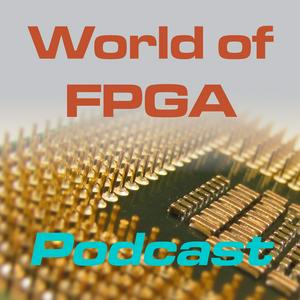
À propos de World of FPGA Podcast
Hear and learn more from the World of FPGA. This podcast will bring you basics and advanced knowledge around FPGA.
Site web du podcastÉcoutez World of FPGA Podcast, La Martingale ou d'autres podcasts du monde entier - avec l'app de radio.fr
Obtenez l’app radio.fr gratuite
- Ajout de radios et podcasts en favoris
- Diffusion via Wi-Fi ou Bluetooth
- Carplay & Android Auto compatibles
- Et encore plus de fonctionnalités
Obtenez l’app radio.fr gratuite
- Ajout de radios et podcasts en favoris
- Diffusion via Wi-Fi ou Bluetooth
- Carplay & Android Auto compatibles
- Et encore plus de fonctionnalités
World of FPGA Podcast
Scannez le code,
Téléchargez l’app,
Écoutez.
Téléchargez l’app,
Écoutez.
World of FPGA Podcast: Podcasts du groupe
 France