

Écoutez gratuitement ce podcast dans l'application : Télécharger gratuitement dans l'App Store
radio.fr
Minuteur
Sauvegarde des favoris
112 épisodes
How Motorcycling Changes You: Stories of Adventure and Growth
10/08/2026 | 12 minIn this episode, we dive deep into the transformative power of two wheels and open roads, exploring how motorcycling changes you in ways both expected and surprising. Whether you’re a seasoned rider or someone considering your first journey, this episode is packed with personal stories, expert perspectives, and candid reflections on the impact of motorcycling on mind, body, and soul.
We start by addressing the sense of freedom that comes from riding. Listeners share how motorcycling changes you by breaking down daily routines, pulling you out of your comfort zone, and teaching you to embrace uncertainty. The road demands focus, presence, and adaptability—qualities that begin to shape your outlook beyond the handlebars.
The episode also looks at the strong sense of community among riders. We hear from guests about the friendships forged at rest stops and rallies, and how motorcycling changes you by connecting you with people from all walks of life, united by a shared passion. Through laughter and even the occasional challenge, these bonds remind us that adventure is often best when shared.
Mental health is another theme we explore. Experts and riders alike describe how motorcycling changes you by offering a unique form of therapy. The rhythm of the ride, the wind against your face, and the focus required to navigate twists and turns provide a welcome escape from stress and anxiety. Many find clarity and peace on the open road, returning home with a fresh perspective.
Finally, we touch on the physical side—how motorcycling changes you by improving coordination, building stamina, and encouraging a more active lifestyle. From the thrill of acceleration to the satisfaction of mastering new skills, riding has a way of making you feel alive in the present moment.
Join us as we uncover the many layers of how motorcycling changes you—transforming not just your habits, but your sense of self, your relationships, and your entire approach to life.
Send us Fan Mail
Support the show
Thanks for listening!
Click the "Send us a Text Message" link above to send us your questions, comments, and feedback on the show! Please make sure you leave the podcast title. Or if you prefer to leave an audio message, leave us a voicemail on our website!
Subscribe to our newsletter to keep up to date on the latest from the show.
Check out our favorite products to use on and off your motorcycle.Common Pitfalls of Beginner Bikes: Costs, Quality, and Growth
03/08/2026 | 16 minThe journey into the world of motorcycling is exciting, but it’s important for new riders to understand the common pitfalls of beginner bikes before making their first purchase. Many first-time buyers are drawn to budget-friendly, lightweight motorcycles, thinking these are the ideal stepping stones. However, there are several factors to consider to avoid disappointment and unnecessary expense.
One of the most frequently encountered common pitfalls of beginner bikes is the temptation to buy a used motorcycle without fully understanding its history or mechanical condition. While the lower price is appealing, used bikes often come with hidden issues like worn-out clutches, unreliable starting, or problematic transmissions. These mechanical problems can be especially daunting for novices who lack experience in diagnosing or repairing bikes. The cost of immediate maintenance—such as replacing tires, brake pads, or bearings—can quickly add up, sometimes surpassing the initial savings of buying used. Moreover, used bikes typically come with no warranty, leaving beginners financially vulnerable if something major goes wrong.
Another common pitfall is underestimating the importance of fit and comfort. Many new riders choose a bike based solely on price or appearance, neglecting to test how it feels in real riding conditions. A bike that is too tall, too heavy, or ergonomically unsuitable can hinder confidence and learning, potentially leading to accidents or discouragement.
There’s also a stigma associated with “beginner bikes.” Some new riders worry about being judged for riding a smaller, less powerful motorcycle. This can lead to premature upgrades or choosing a bike that exceeds their current skill level—another of the Common Pitfalls of Beginner Bikes. Rapidly outgrowing a first bike or feeling dissatisfied with its performance can result in financial loss due to depreciation or hasty resale.
In conclusion, being aware of the common pitfalls of beginner bikes—mechanical issues, hidden costs, poor fit, stigma, and rapid depreciation—empowers new riders to make informed decisions. By prioritizing reliability, comfort, and gradual skill development, beginners can ensure a safer and more enjoyable introduction to motorcycling.
Send us Fan Mail
Support the show
Thanks for listening!
Click the "Send us a Text Message" link above to send us your questions, comments, and feedback on the show! Please make sure you leave the podcast title. Or if you prefer to leave an audio message, leave us a voicemail on our website!
Subscribe to our newsletter to keep up to date on the latest from the show.
Check out our favorite products to use on and off your motorcycle.Why the Best Isn’t Always the Fastest Motorcycle
27/07/2026 | 23 minWhen it comes to motorcycles, the allure of power and speed is hard to resist. We’re often drawn to spec sheets boasting big horsepower figures, enormous engines, and top speeds pushing the limits of what’s legal—or even safe—on public roads. Yet, as countless seasoned riders will tell you, the best isn’t always the fastest. There’s far more to the perfect motorcycle than raw acceleration or a headline-grabbing top speed.
Big-displacement bikes, such as large American cruisers or record-holding Triumphs, are impressive on paper. Their massive engines deliver plenty of torque and highway presence, but they also add significant weight and bulk. That extra heft can make motorcycles harder to maneuver, less agile, and more challenging (and expensive) to own and operate. For smaller riders, or those who want to enjoy twisty roads or city streets, these bikes can quickly become more burden than blessing.
On the other end of the spectrum, high-horsepower sport bikes like the Ducati Panigale V4 R or BMW M1000RR offer breathtaking performance. However, their capabilities far outstrip what’s usable on most public roads. Riders often find themselves barely scratching the surface of these bikes’ power, which can lead to a less engaging and sometimes uncomfortable experience, especially over long distances. Excessive power can also mean lower fuel economy, more maintenance, and a riding position that sacrifices comfort in the pursuit of speed.
That’s why many experienced riders gravitate toward “Goldilocks” motorcycles—middleweight bikes that strike a balance between power, weight, and usability. With moderate horsepower and manageable weight, these bikes are often more fun, more practical, and more affordable. They allow you to explore the full range of the engine, develop your riding skills, and enjoy every ride, not just the rare moments when you can open the throttle wide.
Ultimately, the best motorcycle for most riders is the one that fits their needs, riding style, and ambitions—not necessarily the fastest machine available. Remember: Best isn’t always the fastest. True enjoyment comes from finding a motorcycle that you can master, not just one that can outpace the competition.
Send us Fan Mail
Support the show
Thanks for listening!
Click the "Send us a Text Message" link above to send us your questions, comments, and feedback on the show! Please make sure you leave the podcast title. Or if you prefer to leave an audio message, leave us a voicemail on our website!
Subscribe to our newsletter to keep up to date on the latest from the show.
Check out our favorite products to use on and off your motorcycle.Route 66 Centennial: Celebrating 100 Years of the Mother Road
20/07/2026 | 11 minThe Route 66 Centennial marks a significant milestone in American history, celebrating 100 years since the establishment of one of the nation’s most iconic highways. Known as the "Mother Road," Route 66 has played a pivotal role in shaping the cultural, economic, and social landscape of the United States. Stretching from Chicago, Illinois, to Santa Monica, California, this legendary route has inspired countless travelers, authors, musicians, and entrepreneurs throughout the years.
As the Route 66 Centennial approaches, communities along the historic highway are preparing a variety of events, festivals, and educational programs to commemorate its legacy. From classic car shows and vintage roadside attractions to art exhibits and historical reenactments, the centennial is more than just a celebration—it's an opportunity to reflect on the profound impact Route 66 has had on American life. The highway’s unique blend of nostalgia and adventure continues to draw tourists from around the world, eager to experience a piece of living history.
The Route 66 Centennial also serves as a reminder of the importance of preservation. Many stretches of the original road and its landmarks have faced threats from modernization and neglect. Efforts by preservationists and local organizations have helped restore and maintain much of the historic route, ensuring that future generations can enjoy its charm and character. The centennial celebrations will highlight these efforts, encouraging continued investment in heritage tourism and community revitalization.
Moreover, the Route 66 Centennial brings people together from all walks of life, united by a shared appreciation for the highway’s enduring spirit. Whether you’re a history buff, a classic car enthusiast, or simply someone who loves a good road trip, the centennial offers something for everyone. As we celebrate 100 years of Route 66, we honor its past, embrace its present, and look forward to the adventures that await on America’s most famous road.
Route 66 Centennial Site
2 Lane Life
Route 66 History
Main Street of America Film
Send us Fan Mail
Support the show
Thanks for listening!
Click the "Send us a Text Message" link above to send us your questions, comments, and feedback on the show! Please make sure you leave the podcast title. Or if you prefer to leave an audio message, leave us a voicemail on our website!
Subscribe to our newsletter to keep up to date on the latest from the show.
Check out our favorite products to use on and off your motorcycle.Sacrifice safety for a cooler ride? Tips to stay protected.
13/07/2026 | 20 min"Sacrifice safety for a cooler ride?" This is the central question explored in this episode of the Throttle and Roast podcast, hosted by Niels Meersschaert. As summer temperatures soar, riders often debate whether to sweat it out in full protective gear or leave some safety behind for the sake of comfort. Niels challenges the common assumption that removing gear will keep you cooler, explaining that this can actually make riders hotter due to direct sun exposure, increased risk of sunburn, and dehydration.
The episode offers practical solutions for staying both safe and comfortable in the heat. One key suggestion is to modify your bike’s windshield: removing it or replacing it with a shorter version increases airflow and creates a beneficial windchill effect, except in extremely high temperatures. This airflow is vital for sweat evaporation, the body’s natural cooling mechanism.
When it comes to gear, Niels advocates for textile mesh riding suits, especially in lighter colors that reflect sunlight. Contrary to the belief that riding without a jacket is cooler, a mesh jacket acts as portable shade while allowing air to move freely. This keeps riders cooler than exposing bare skin to the sun’s rays. Pairing a mesh jacket with mesh pants, instead of jeans or leather, ensures maximum comfort and airflow.
The podcast also emphasizes the value of synthetic, moisture-wicking base layers. These help draw sweat away from the body, while cotton garments tend to trap moisture and heat. For extreme conditions, Niels recommends cooling vests—either soaked or with water bladders—which provide a portable cooling effect, especially effective in dry climates.
Hydration is another crucial consideration. Niels prefers hydration backpacks with bite valves, allowing riders to sip water easily while keeping both hands on the handlebars. Having plenty of water or sports drinks on hand is essential to prevent heat exhaustion.
Finally, the timing of your ride matters. Avoiding the midday sun and opting for early morning or evening rides can make a substantial difference in comfort and safety.
Ultimately, the answer to "Sacrifice safety for a cooler ride?" is a resounding no. With the right preparation, gear, and habits, riders can stay protected and comfortable, even in the hottest weather.
Cooling vests
Low cost option
Premium bladder model
Send us Fan Mail
Support the show
Thanks for listening!
Click the "Send us a Text Message" link above to send us your questions, comments, and feedback on the show! Please make sure you leave the podcast title. Or if you prefer to leave an audio message, leave us a voicemail on our website!
Subscribe to our newsletter to keep up to date on the latest from the show.
Check out our favorite products to use on and off your motorcycle.
Plus de podcasts Alimentation
 20 Divin, le Podcast du VinAlimentation, Arts, Éducation
 LES SOURIRES DU VINAlimentation, Arts, Cours, Éducation
 FIKA BAKERYAlimentation, Arts
 Autour d'un cocktailAlimentation, Arts
 DishAlimentation, Arts, Culture et société, Humour
 A Table avec... Le podcast du magazine Le ChefAlimentation, Arts, Culture et société, Destinations et voyages, Loisirs
 CHEFSAlimentation, Arts, Business, Carrière, Entreprenariat
 Boustifaille par Laurent MariotteAlimentation, Arts, Forme et santé
 Business of BouffeAlimentation, Arts, Business, Entreprenariat
Podcasts tendance de Alimentation



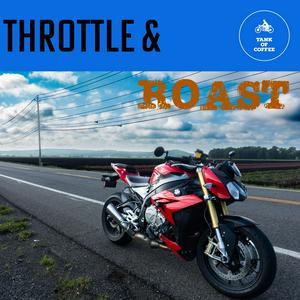
À propos de Throttle and Roast - Motorcycle Enthusiast Podcast
Are you a motorcycle enthusiast who cannot start the day without a perfectly brewed cup of coffee? Join Niels Meersschaert on Throttle and Roast as he blends his 25 years of riding experience with a profound love for artisanal coffee. From cruisers to café racers and cappuccinos to cold brews, learn to enhance your riding experiences, perfect your coffee rituals, and even combine them for an unforgettable adventure. We love a variety of motorcycles, riding both street and dirt, and almost every segment: ADV, cruiser, sport bike, scooters, and vintage. The show gives you the tips to find the best gear, techniques and insights to have the ultimate motorcycle adventures.
Site web du podcastÉcoutez Throttle and Roast - Motorcycle Enthusiast Podcast, 20 Divin, le Podcast du Vin ou d'autres podcasts du monde entier - avec l'app de radio.fr
Obtenez l’app radio.fr gratuite
- Ajout de radios et podcasts en favoris
- Diffusion via Wi-Fi ou Bluetooth
- Carplay & Android Auto compatibles
- Et encore plus de fonctionnalités
Obtenez l’app radio.fr gratuite
- Ajout de radios et podcasts en favoris
- Diffusion via Wi-Fi ou Bluetooth
- Carplay & Android Auto compatibles
- Et encore plus de fonctionnalités
Throttle and Roast - Motorcycle Enthusiast Podcast
Scannez le code,
Téléchargez l’app,
Écoutez.
Téléchargez l’app,
Écoutez.
 France